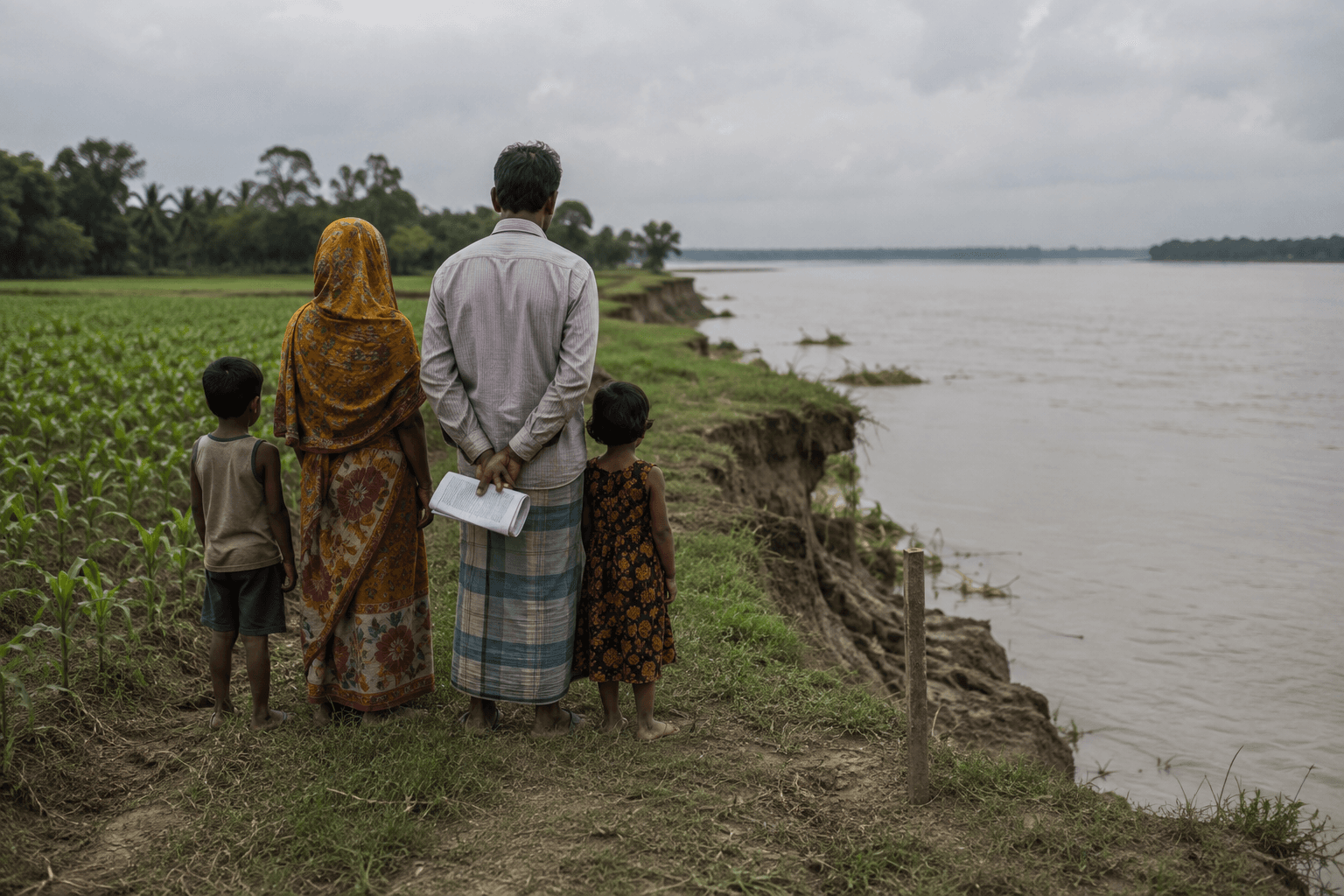
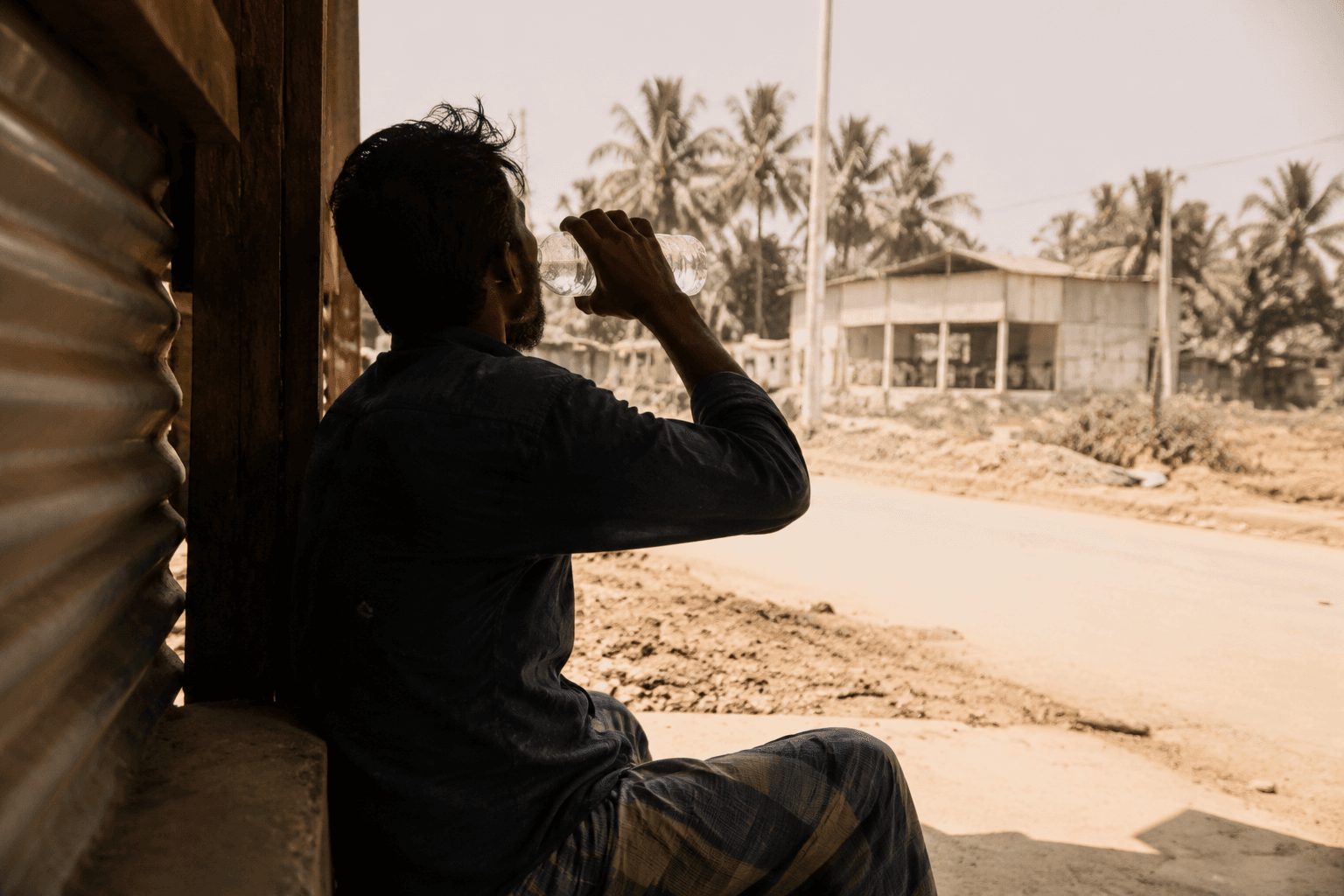
Heat risk is shaped by power. Workers who have the least control over schedules, shade, water, and income are often asked to carry the greatest physical danger.
Heat is not experienced equally
An extreme temperature becomes a human-rights crisis when people cannot refuse unsafe work without losing the income that keeps their families secure. Outdoor workers, informal workers, transport workers, agricultural labourers, and people working in poorly ventilated spaces face a combination of exposure and limited bargaining power.
A serious response must therefore look beyond awareness messaging. It must address who controls working hours, who pays for protective measures, and who receives support when work becomes unsafe.
Protection before emergency relief
Early warnings only work when they lead to practical action. Water, shaded rest, adjusted schedules, enforceable stop-work thresholds, and accessible health referrals should be built into heat-response plans before the hottest days arrive.
Emergency relief remains essential, but it should not be the first protection a worker encounters. Prevention is both more humane and more accountable.
A locally led standard
Workers and community organisations understand where official plans fail in practice. Their evidence should shape heat thresholds, communication channels, workplace protections, and the design of support for lost income.
My Right’s advocacy direction is to connect that frontline evidence with enforceable protections and fair access to public relief.
What a rights-based response requires
- Recognise occupational heat as a rights and public-health issue.
- Pair early warnings with water, shade, rest, and stop-work protections.
- Include workers in the design and monitoring of every intervention.
Published by My Right on 12 September 2026.