Communities facing salinity, cyclones, river erosion, and displacement need finance that is direct, accessible, and designed around their rights—not another distant funding architecture.
Loss is already happening
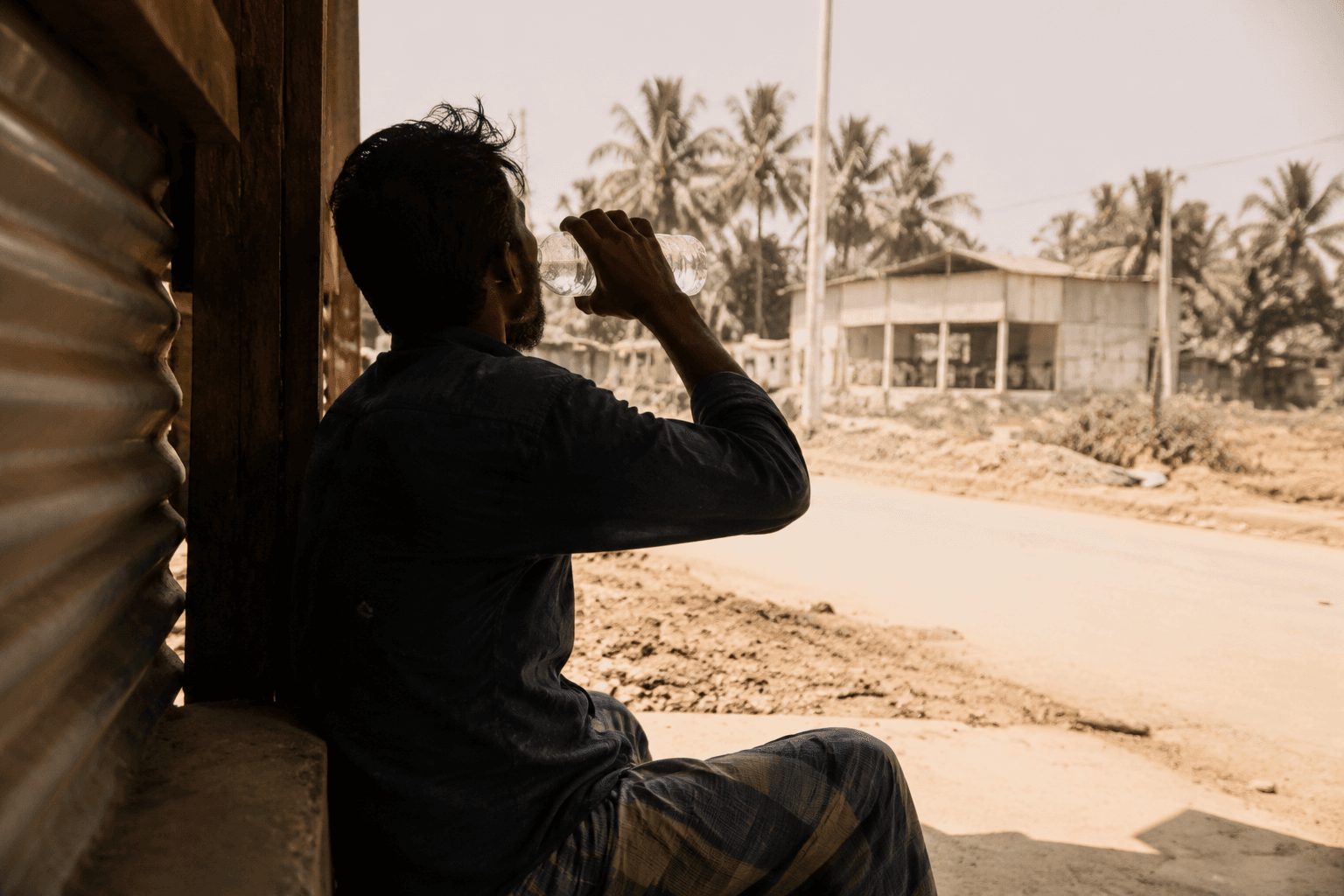
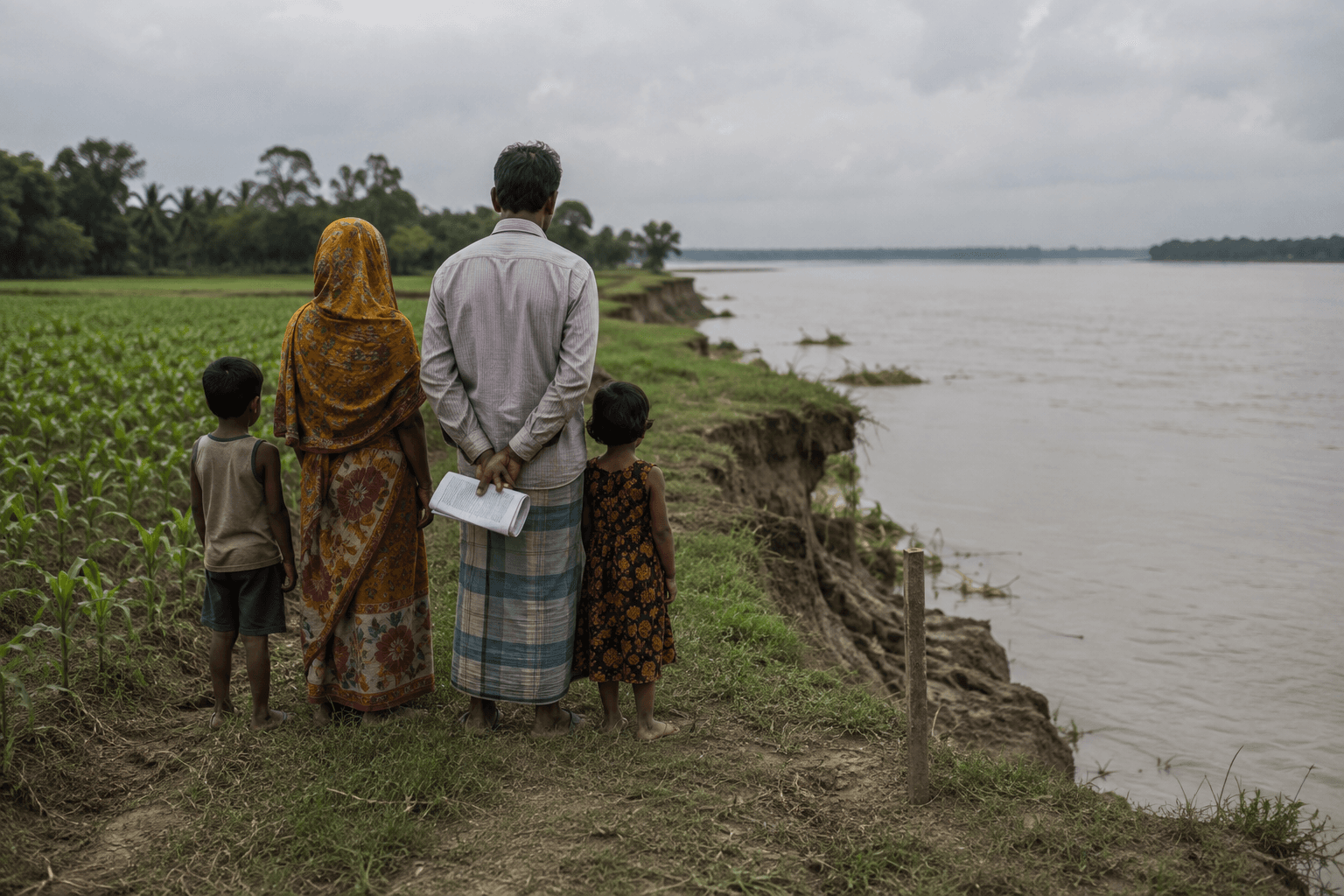
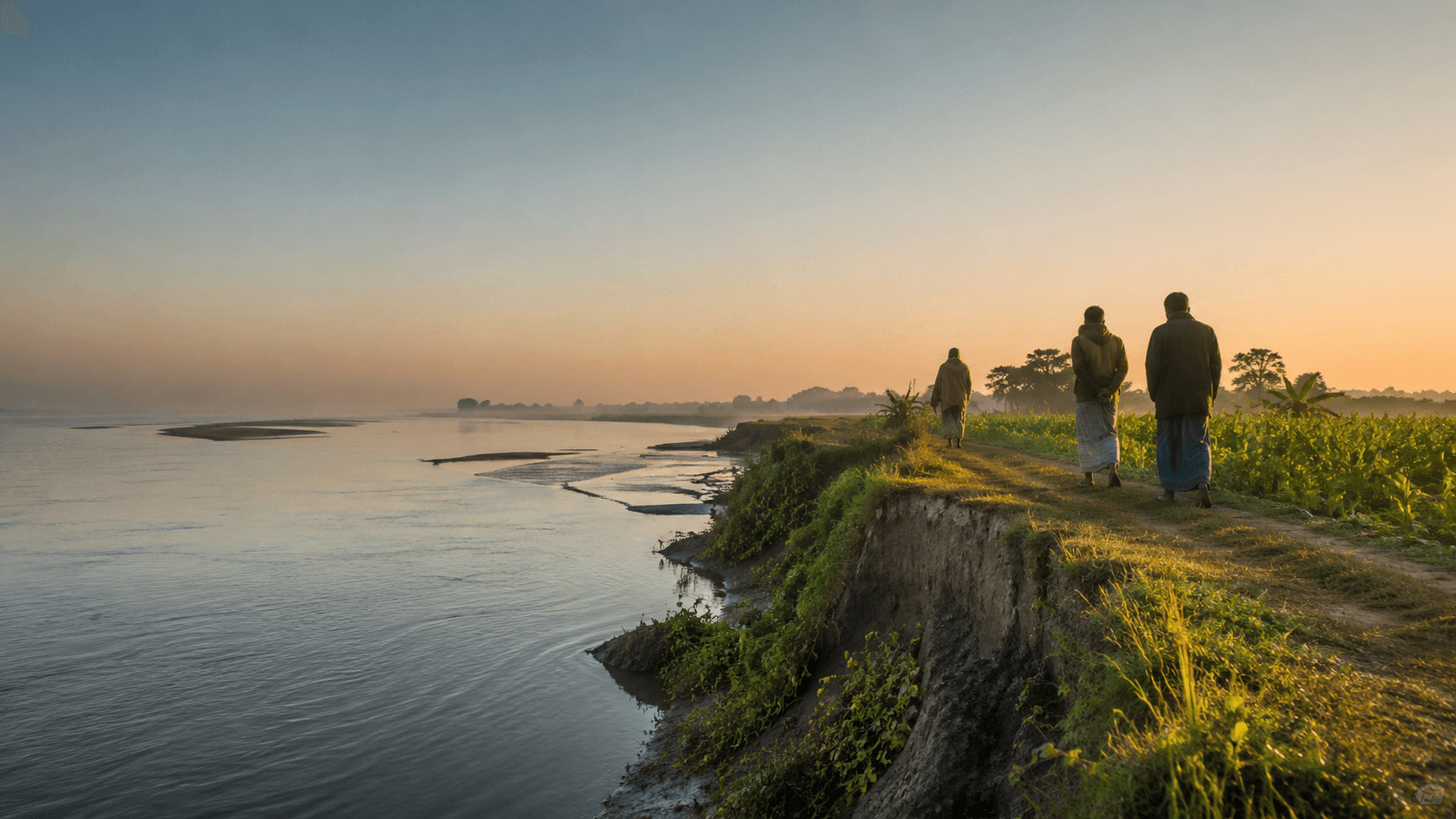
For many coastal and riverine communities, climate harm is not a future scenario. Homes, crops, freshwater access, cultural ties, and secure livelihoods are already being damaged or lost.
The global conversation must recognise both economic losses and the losses that cannot be fully priced: place, identity, community networks, and the security of belonging.
Access matters as much as volume
Large international commitments mean little if frontline communities cannot understand the process, meet its administrative requirements, or influence which solutions are funded.
Direct access, transparent selection, accessible local-language information, and public tracking of funding flows should be treated as core design requirements.
Finance must protect rights
Loss and Damage funding should not deepen debt, enable displacement without consent, or place communities in weaker land-tenure positions. Safeguards must follow the money from the global decision to the household-level outcome.
My Right advocates for climate finance that strengthens local agency, secure land, and durable protection rather than temporary visibility.
What a rights-based response requires
- Prioritise grants and direct community access.
- Publish understandable funding decisions and flows.
- Protect land, consent, and civil rights throughout recovery.
Published by My Right on 5 September 2026.