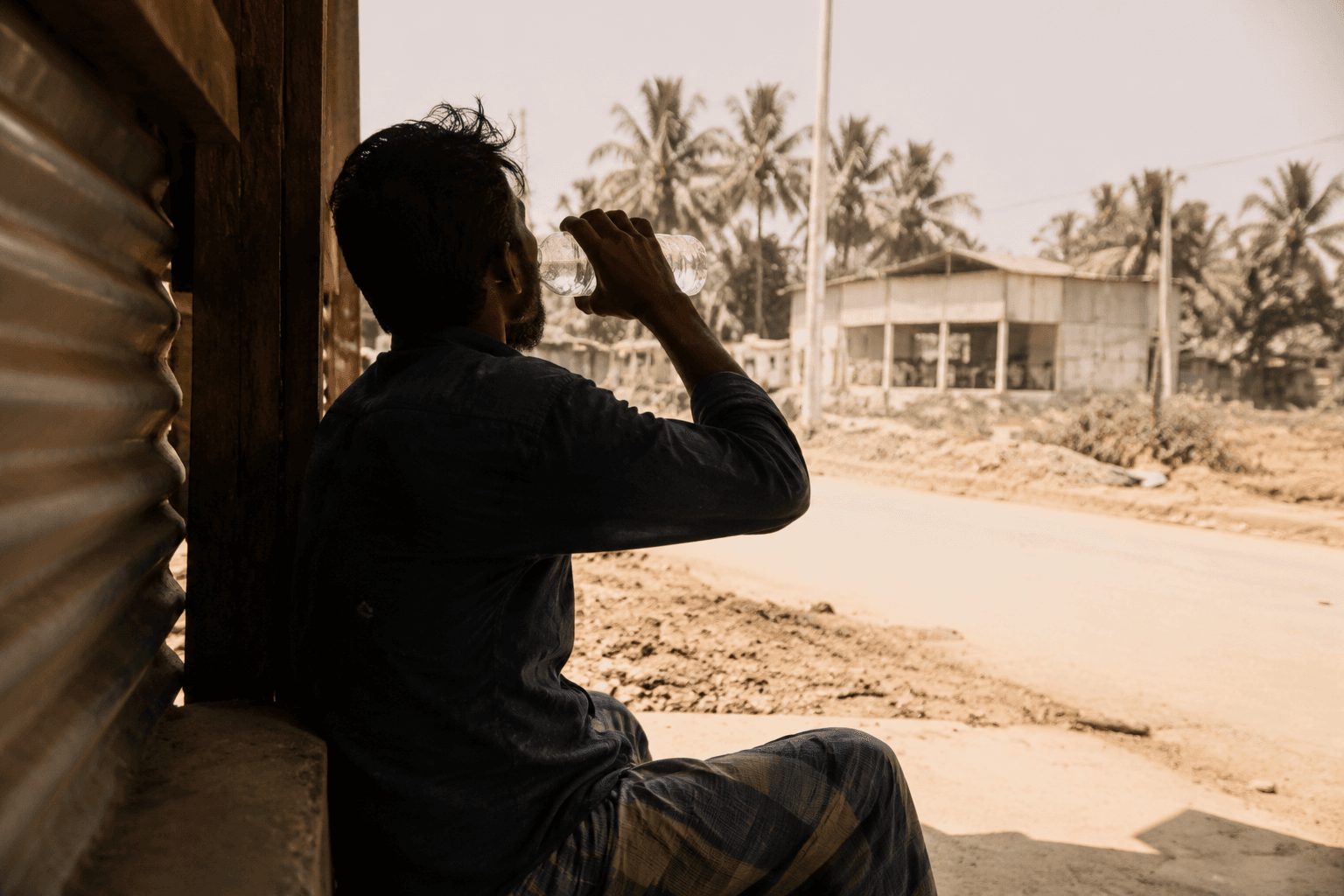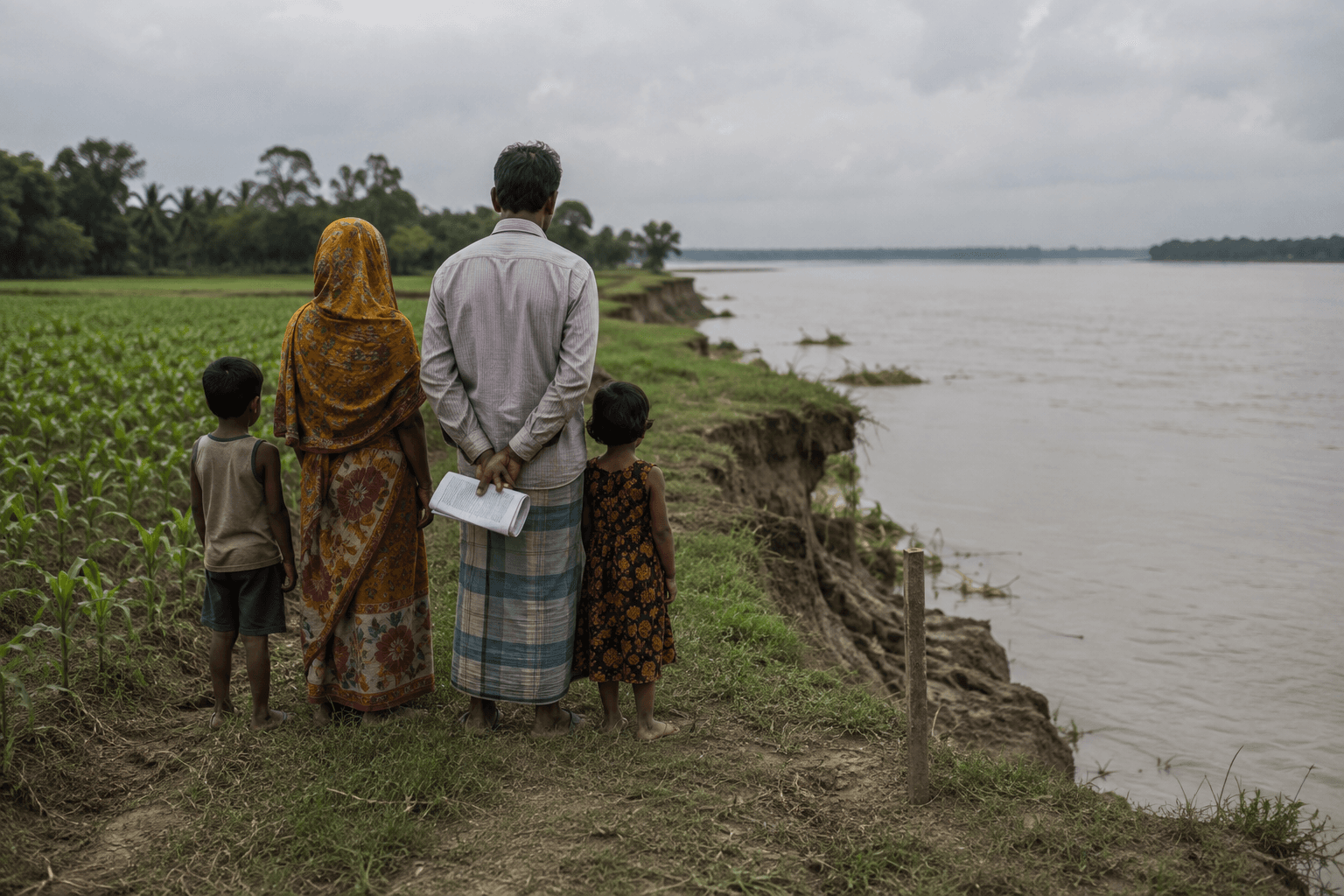

Emergency assistance is not only a logistical operation. It is a public test of equality, dignity, transparency, and the right to protection.
Exclusion can happen by design
A distribution may appear open while still excluding people who lack documents, transport, digital access, local influence, or information in a language they understand.
A rights-based approach tests every stage—from registration to distribution and complaint handling—against the lived barriers facing the most marginalized groups.
Dignity is operational
Safe queues, accessible locations, clear criteria, privacy, disability inclusion, and protection from harassment are not optional details. They determine whether assistance can be reached without additional harm.
Communities should know what is available, how decisions were made, and where to report a problem without fear of retaliation.
Accountability continues after distribution
Monitoring should ask who was missed, why they were missed, and whether the assistance actually reduced risk. Public reporting should include failures and corrective action, not only totals delivered.
My Right’s role is to help keep emergency protection connected to equal access, community voice, and durable rights.
What a rights-based response requires
- Publish clear, accessible eligibility and distribution information.
- Create safe complaints and correction pathways.
- Measure who was excluded—not only what was delivered.
Published by My Right on 22 August 2026.